
You set an alarm at 3 am to change your pad, you sit on a dark towel at a cousin's wedding, and you have quietly cancelled plans because of the first two days of your cycle. Many Indian women have lived with heavy periods for years because their mothers did too. Heavy bleeding is common, but it is not something you simply have to accept.
This guide explains how much bleeding is normal, the signs that a period is too heavy, what clots mean, the common causes, the link with tiredness and anaemia, how to manage heavy days at work, school and at night, and when to see a doctor.
How much period blood is normal?
The NHS says most people lose about 20 to 90 ml of blood over a whole period, roughly 1 to 5 tablespoons, with the heaviest flow in the first two days. Because blood spreads across a pad, it usually looks like more than it is. Doctors care less about the exact amount and more about whether bleeding is getting in the way of your life.
Flow also varies from person to person and month to month. A heavy first day that settles by day three, and that you can manage with a longer pad changed every few hours, is usually normal for you.
Heavy periods: signs your bleeding is too much
Your periods may be heavy if you need to change a pad every 1 to 2 hours, use two products together, change at night, bleed through to clothes or bedding, pass large clots, or bleed for more than 7 days. Feeling constantly tired or breathless, or avoiding work, school or travel because of your period, are also signs.
How often you change
- Usually within normal
- Every 4 to 6 hours on most days
- Signs of heavy bleeding
- Every 1 to 2 hours for several hours in a row
At night
- Usually within normal
- One overnight pad lasts till morning
- Signs of heavy bleeding
- Waking up to change, or bleeding onto the sheets
Products
- Usually within normal
- One pad or one product at a time
- Signs of heavy bleeding
- Doubling up, such as two pads or a pad with a cup
Length
- Usually within normal
- 2 to 7 days
- Signs of heavy bleeding
- More than 7 days
Clots
- Usually within normal
- Occasional small clots on heavy days
- Signs of heavy bleeding
- Clots bigger than a ₹5 coin, or many clots
Your day
- Usually within normal
- You manage normally
- Signs of heavy bleeding
- You miss work, school, events or travel
Energy
- Usually within normal
- Some tiredness on day one or two
- Signs of heavy bleeding
- Tired, breathless or dizzy most of the time
| What you notice | Usually within normal | Signs of heavy bleeding |
|---|---|---|
| How often you change | Every 4 to 6 hours on most days | Every 1 to 2 hours for several hours in a row |
| At night | One overnight pad lasts till morning | Waking up to change, or bleeding onto the sheets |
| Products | One pad or one product at a time | Doubling up, such as two pads or a pad with a cup |
| Length | 2 to 7 days | More than 7 days |
| Clots | Occasional small clots on heavy days | Clots bigger than a ₹5 coin, or many clots |
| Your day | You manage normally | You miss work, school, events or travel |
| Energy | Some tiredness on day one or two | Tired, breathless or dizzy most of the time |
A Large menstrual cup with volume markings can help you measure your flow instead of guessing, which gives a doctor a real number. If you use a cup and need to empty it much more often than the instructions suggest, that is also a sign of heavy bleeding.
Are blood clots during periods normal?
Small, dark red clots on your heaviest days are common and usually normal: they form when blood collects before it leaves your body. Clots bigger than a ₹5 coin, frequent clots, or clots with very heavy bleeding are worth a doctor's check, because they can point to fibroids or other causes of heavy flow.
What causes heavy periods?
Heavy periods can be normal for some people, and often get heavier around puberty, after pregnancy and in the years before menopause. Medical causes include fibroids, adenomyosis, endometriosis, polyps, PCOS, thyroid problems, pelvic infection, bleeding disorders, some medicines and a copper IUD. In many people no single cause is found, and treatment still helps.
Fibroids
- What it is
- Non-cancerous growths in the muscle of the womb, very common in India
- Other clues
- Pelvic pressure, needing to pee often, a bloated tummy
Adenomyosis
- What it is
- Womb-lining tissue grows into the womb's muscle wall
- Other clues
- Heavy and painful periods, often in your 40s or after children
Endometriosis
- What it is
- Womb-lining-like tissue grows outside the womb
- Other clues
- Severe period pain, pain with sex; see our endometriosis guide
Polyps
- What it is
- Small growths in the womb lining
- Other clues
- Bleeding between periods or after sex
Hormone changes
- What it is
- Cycles without ovulation, common in teens, PCOS and perimenopause
- Other clues
- Irregular cycles, then a very heavy period
Thyroid problems
- What it is
- An underactive thyroid in particular
- Other clues
- Tiredness, feeling cold, weight gain; see thyroid and periods
Bleeding disorders
- What it is
- Conditions such as von Willebrand disease that slow clotting
- Other clues
- Heavy periods since the first period, easy bruising, nosebleeds
Copper IUD
- What it is
- A known effect in the first months
- Other clues
- Ask the doctor who fitted it if bleeding is very heavy
| Cause | What it is | Other clues |
|---|---|---|
| Fibroids | Non-cancerous growths in the muscle of the womb, very common in India | Pelvic pressure, needing to pee often, a bloated tummy |
| Adenomyosis | Womb-lining tissue grows into the womb's muscle wall | Heavy and painful periods, often in your 40s or after children |
| Endometriosis | Womb-lining-like tissue grows outside the womb | Severe period pain, pain with sex; see our endometriosis guide |
| Polyps | Small growths in the womb lining | Bleeding between periods or after sex |
| Hormone changes | Cycles without ovulation, common in teens, PCOS and perimenopause | Irregular cycles, then a very heavy period |
| Thyroid problems | An underactive thyroid in particular | Tiredness, feeling cold, weight gain; see thyroid and periods |
| Bleeding disorders | Conditions such as von Willebrand disease that slow clotting | Heavy periods since the first period, easy bruising, nosebleeds |
| Copper IUD | A known effect in the first months | Ask the doctor who fitted it if bleeding is very heavy |
Rarely, heavy or changed bleeding can be a sign of womb cancer, especially in your 40s and later. That is not a reason to panic, but it is a reason to get new or changed bleeding checked rather than putting it down to age.
Can heavy periods cause tiredness and anaemia?
Yes. Heavy periods are one of the most common causes of iron deficiency anaemia, and WHO lists consistent heavy menstrual losses as a cause. If your periods are heavy and you feel exhausted, breathless on the stairs, dizzy or pale, ask your doctor for a blood test to check your haemoglobin and iron stores.
Anaemia is very common among Indian women, so heavy periods should never be brushed aside as a minor inconvenience. Our guide to iron deficiency anaemia covers the symptoms and iron-rich Indian foods. Do not start iron tablets without a test and a doctor's advice.
Heavy bleeding during periods: what to do day to day
While you wait to be seen, or alongside treatment, the right protection and a little planning make heavy days easier. Choose a longer pad with a wide back, change before it is full, carry spares, and use full-coverage protection at night and on long journeys.
A heavy-day plan
- Use an XL+ length pad on the heaviest days and nights, and change it every 4 to 6 hours or sooner
- At night, place the pad slightly further back, since lying down sends flow backwards
- For nights, flights and long train or car journeys, consider leak-proof period panties
- Keep two spare pads, a spare pair of underwear and a disposal bag in your bag
- Drink plenty of water and eat iron-rich foods such as dal, rajma, chana, leafy greens and jaggery, with a source of vitamin C
- Use heat on your lower tummy and gentle movement for cramps
- Log how often you change on the worst day, to show your doctor
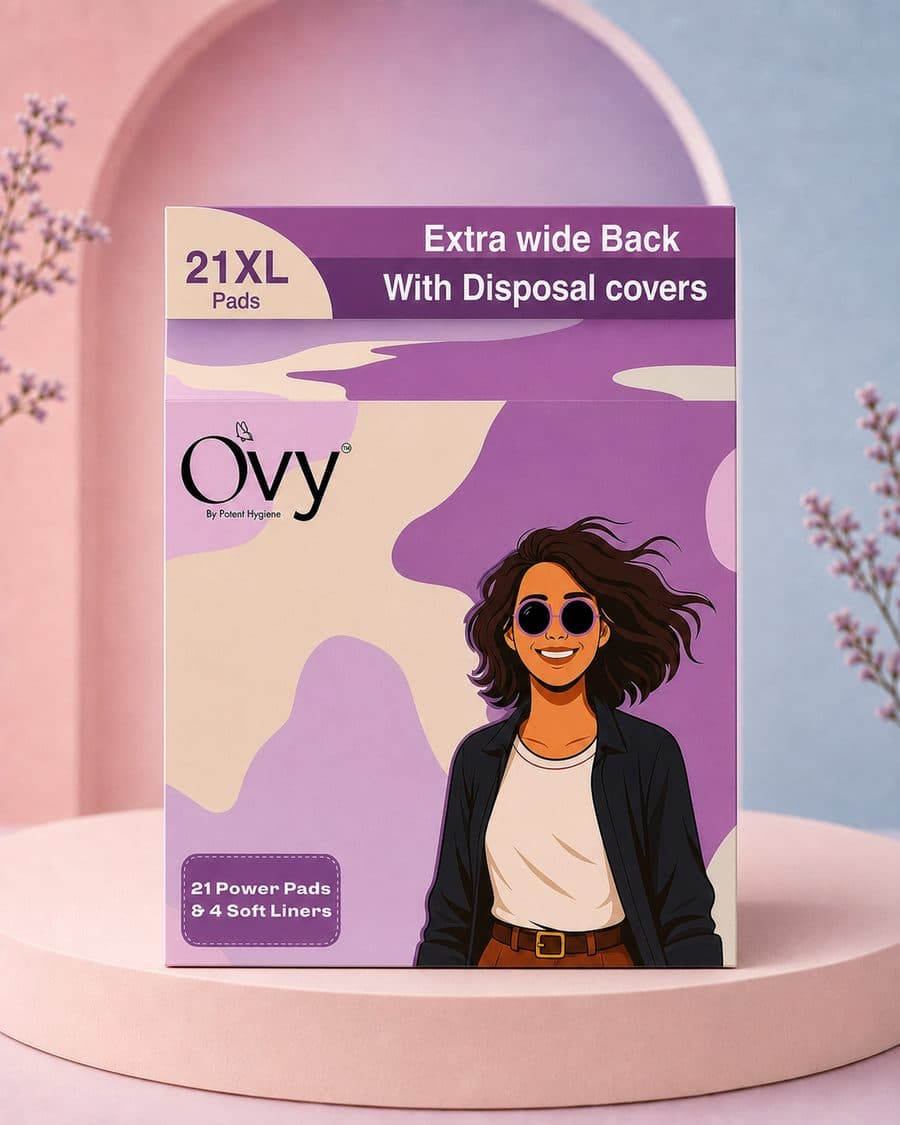
From Ovy
Ovy Organic Sanitary Pads
Ovy Organic Sanitary Pads come in L, XL and XL+ (320 mm), with the XL+ for the heaviest days and nights. They are leak-resistant, dermatologically tested and clinically tested on 24 volunteers.
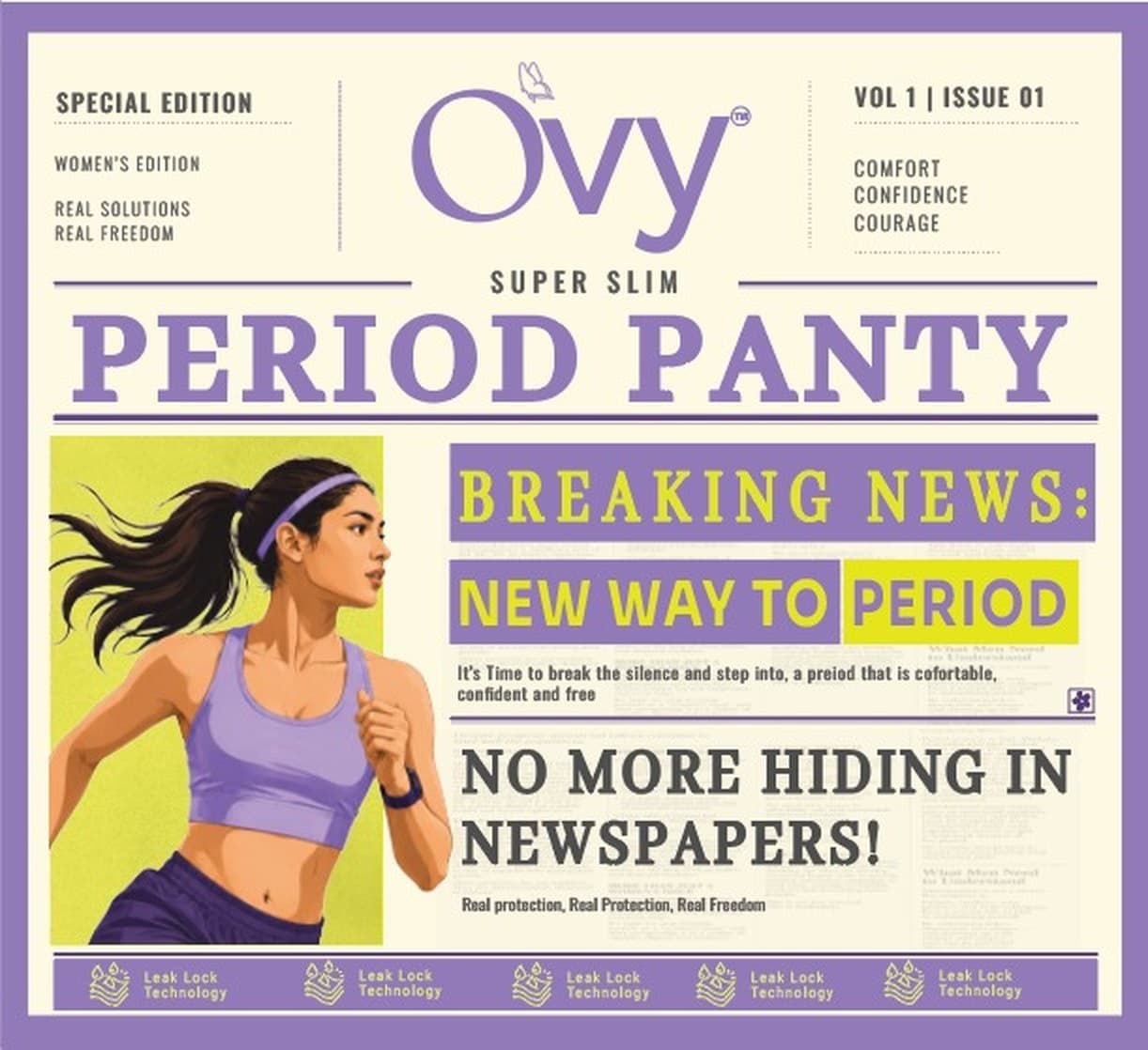
From Ovy
Ovy Super Slim Period Panties
Ovy Super Slim Period Panties are single-use and leak-proof, with front-to-back coverage for up to 10 to 12 hours, useful for nights and long journeys.
What happens when you see a doctor about heavy periods?
A doctor will ask about your periods and how they affect your life, may examine you, and usually orders a blood test for anaemia. Depending on your age and symptoms, you may need a pelvic ultrasound to look for fibroids or polyps. The UK's NICE guideline on heavy menstrual bleeding, updated in July 2026, sets out this kind of step-by-step assessment.
There is a range of effective treatments, from medicines that reduce bleeding and hormonal options to procedures for fibroids or polyps. Your doctor will explain what suits your situation, including whether you want to get pregnant in future. Bring a record of your period dates and heaviest days; our free period tracker can print one.
When to see a doctor about heavy periods
See a doctor if heavy periods affect your work, sleep or social life, if you soak through a pad in under 2 hours for several hours, pass large clots, bleed more than 7 days, or feel constantly tired. Bleeding between periods, after sex or after menopause always needs a check.
- Very heavy bleeding: soaking through an XL+ pad (or a period panty) in under 2 hours for several hours in a row, or passing clots bigger than a ₹5 coin.
- Periods that last longer than 7 days, or that come less than 21 or more than 35 days apart once your cycle has settled.
- Severe period pain that stops you from your day, or that doesn't ease with the usual measures.
- Bleeding between periods, after sex, or ANY bleeding after menopause.
- Periods that stop for 3 months or more when you are not pregnant.
- Signs of infection: unusual discharge, a strong smell, itching, or burning when you pee.
- After childbirth: a fever, foul-smelling discharge, or very heavy bleeding that does not ease after the first week.
- No period by age 15, or no signs of puberty by age 13.
This is guidance, not a diagnosis. If something feels off, trust yourself and see a doctor or gynaecologist. Most causes are common and treatable.
Frequently asked questions
How do I know if my period is too heavy?
Your period may be too heavy if you change a pad every 1 to 2 hours for several hours, need two products at once, change during the night, bleed through to clothes or sheets, pass clots bigger than a five-rupee coin, or bleed for more than 7 days. Feeling tired or breathless all the time, or missing work or school, are signs too.
Is it normal to pass blood clots during a period?
Small, dark clots on your heaviest days are common and usually normal. They form when blood pools before leaving your body. See a doctor if clots are bigger than a five-rupee coin, appear often, or come with very heavy bleeding or tiredness, because they can be a sign of fibroids or another cause of heavy periods.
What is the main cause of heavy periods?
There is no single main cause. Fibroids, adenomyosis, polyps, endometriosis, hormone changes (common in teens, PCOS and perimenopause), thyroid problems, bleeding disorders and a copper IUD are all recognised causes. In many people no specific cause is found, but heavy bleeding can still be treated. A doctor may suggest a blood test and an ultrasound to look.
Can heavy periods make you tired?
Yes. Losing a lot of blood each month can lower your iron levels and lead to iron deficiency anaemia, which causes tiredness, breathlessness, dizziness, headaches and pale skin. WHO lists heavy menstrual bleeding as a common cause of anaemia. If your periods are heavy and you feel drained, ask your doctor for a blood test before taking any supplement.
What is the best pad for heavy periods?
Choose the longest pad you are comfortable with, ideally with a wide back and wings, and change it every 4 to 6 hours or sooner. An XL+ length suits most heavy days and nights. For nights or long journeys, many women prefer period panties for front-to-back coverage. If you are soaking through within 2 hours, see a doctor.
Do heavy periods mean something is wrong?
Not always. Some people naturally have heavier periods, and flow often changes in the teens, after childbirth and in the 40s. But heavy bleeding can be caused by treatable conditions such as fibroids or thyroid problems, and it can lead to anaemia. If heavy periods affect your daily life, get checked rather than putting up with them.
Sources
- NHS: Heavy periods (opens in a new tab)
- NICE guideline NG88: Heavy menstrual bleeding, assessment and management (opens in a new tab)
- ACOG: Heavy menstrual bleeding (opens in a new tab)
- NHS: Periods (opens in a new tab)
- World Health Organization: Anaemia fact sheet (opens in a new tab)
- NHS: Iron deficiency anaemia (opens in a new tab)

Team Potent Hygiene
Written by the Potent Hygiene team in Jaipur, the people behind Ovy period care and Looway travel hygiene. Every article is checked against the public health sources listed with it.
- #Heavyperiods
- #Menorrhagia
- #Bloodclots
- #Anaemia
- #Periodcare
Found this useful?
Share it with someone who needs it, or keep reading the Journal.